The Causeway Walk: A Complete Guide
Everything you need to know about Bull Island's iconic causeway — parking, accessibility features, best viewing spots for birds, and what to bring.

Why Visit the Causeway Walk
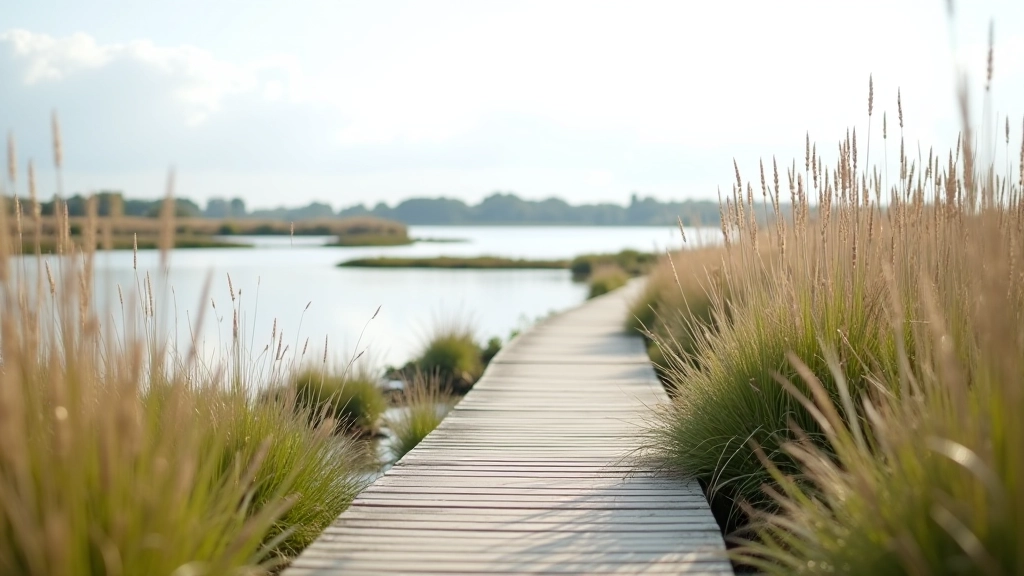
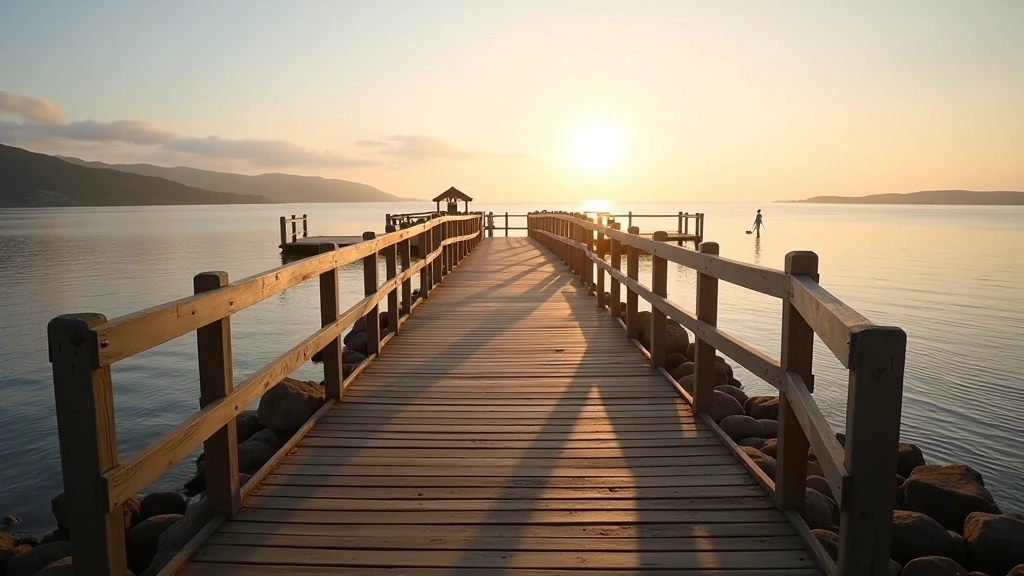
Bull Island's causeway isn't just another boardwalk. It's a 1.6-kilometer stretch of wooden pathway that connects you directly to Dublin Bay's most active estuary. You'll walk past salt marshes, mudflats, and shallow waters where wading birds congregate year-round.
The walk is accessible for most fitness levels, though terrain varies. You get unobstructed views of the bay, sightings of brent geese and curlews, and that particular quiet you only find when you're surrounded by water and sky.
Whether you're serious about bird watching or just want a clear head and fresh air, this guide covers everything — parking logistics, what birds you'll actually see, when to go, and how to prepare.
1.6 km
Total length of causeway
40+
Bird species documented
Year-round
Access available
30-60 min
Typical walk duration
Getting There & Parking
Bull Island sits just north of Dublin's city center, accessible via Clontarf Road. If you're driving, there's a large car park right at the island entrance — typically 50-60 spaces. On weekends during good weather, it fills up between 10 AM and 2 PM, so arriving early makes sense.
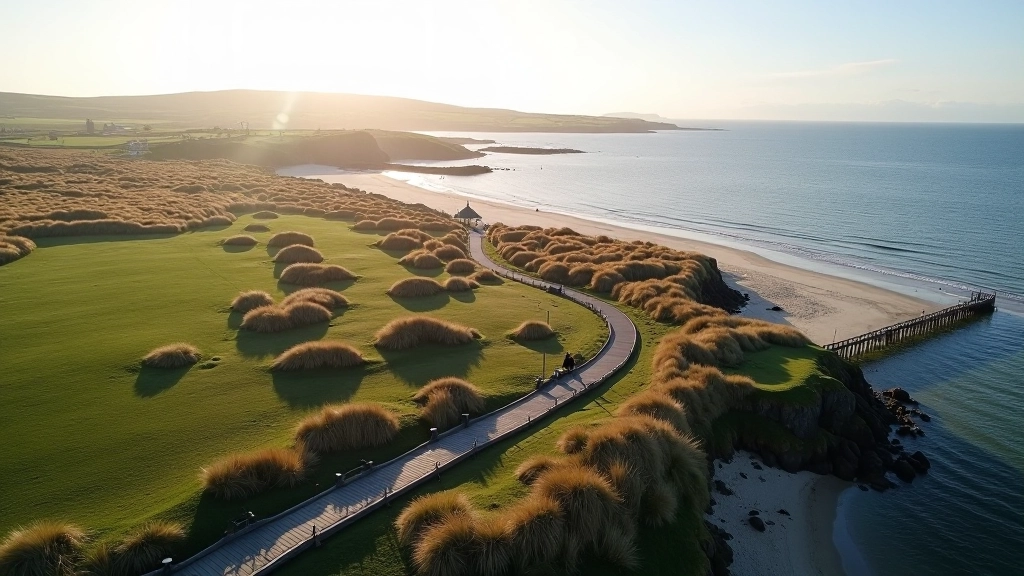
The walk starts from the island's eastern edge. From the car park, you'll walk through the sand dunes for about 100 meters before reaching the wooden boardwalk. It's flat, easy walking with handrails along most of the route.
Quick Start Checklist
- Arrive before 10 AM for guaranteed parking
- Wear shoes with grip — the boardwalk gets slippery when wet
- Bring binoculars if you're interested in birds
- Wind on the bay can be strong; bring a light jacket
- The walk is fully accessible but can be muddy after rain
What Birds You'll See
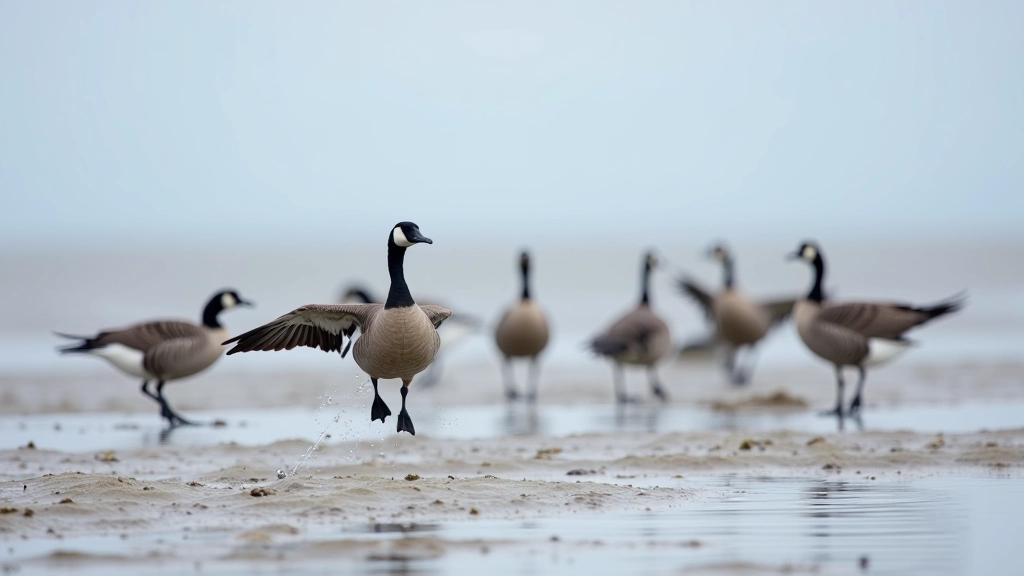
The causeway walk gives you a front-row seat to Dublin Bay's avian activity. Winter brings thousands of brent geese — small, dark geese that arrive from the Arctic. You'll see them in loose flocks across the shallow water, constantly feeding and calling to each other. Spring and autumn migrations mean curlews, redshank, and dunlin appear in significant numbers.
Year-round residents include black-headed gulls, common terns in summer, and occasionally cormorants diving offshore. If you're lucky, you might spot a grey heron standing motionless at the water's edge waiting for fish.
Winter (Nov-Feb): Brent geese, wigeon, teal, pintail
Spring/Autumn: Curlew, redshank, dunlin, turnstone, wheatear
Summer: Common tern, sandwich tern, oystercatcher
Accessibility & Physical Considerations
The causeway is one of Dublin's more accessible coastal walks, but it's not barrier-free. The boardwalk itself is wide, well-maintained, and has handrails for most of its length. The approach from the car park is flat with solid paths.
Here's what matters: the boardwalk can be slippery in wet conditions, particularly after rain or during winter months. Shoes with proper grip are essential. There are no rest benches directly on the boardwalk, though you can sit at the observation points at either end. The walk is completely flat — no hills or steep sections — so it works well for people with limited mobility or those recovering from injury.
For seniors and people with mobility concerns: The 1.6 km distance is manageable, but don't rush. An hour is a comfortable pace with stops. Wind exposure can be significant, so dress in layers. On very windy days (gusts over 40 km/h), the walk becomes uncomfortable rather than dangerous.

Planning Your Visit
Best Time to Go
Winter months (November to February) bring the most birds — thousands of brent geese create an incredible sight. Spring (April-May) is pleasant with mild weather. Summer can be crowded, and autumn migration (August-September) offers good variety without winter crowds.
What to Bring
Binoculars are the only essential if you're serious about bird watching. Waterproof jacket (essential in Ireland), good walking shoes, and a small backpack. A guidebook or phone app for bird identification helps, though you'll recognize the common species quickly.
Duration & Pace
The full 1.6 km takes 30-40 minutes at a steady pace. If you're stopping to watch birds or take photos, budget 45 minutes to an hour. You can turn back at any point — there are observation platforms at the midway point and the far end.
Tides & Weather
The walk is accessible regardless of tide, though low tide reveals mudflats where birds feed. Check the weather forecast for wind speed — sustained winds over 35 km/h make the walk uncomfortable. Rain is common; bring waterproof layers rather than avoiding wet days.
Final Thoughts
The causeway walk delivers what it promises: direct access to one of Dublin's most active natural spaces. You're not getting a manicured park experience. You're walking into an estuary where tidal rhythms dictate life, where thousands of birds gather seasonally, and where you can actually feel the bay's presence rather than just seeing it from a distance.
It's accessible enough for beginners and rewarding enough for experienced walkers. The infrastructure is solid. The views are genuine. And there's something grounding about spending an hour on a wooden platform above water, watching birds do what they've done for millennia.
Go early, bring decent shoes, and don't expect solitude in good weather. You'll share the space with other walkers, photographers, and bird enthusiasts. That's part of it too — this place matters to people, and you'll feel why the moment you step onto the boardwalk.
Important Information
This guide provides educational information about Bull Island and the causeway walk based on typical conditions. Weather, tides, and access can change. Always check current conditions before visiting, wear appropriate footwear, and bring weather-appropriate clothing. The causeway is exposed to wind and weather — use your judgment about whether conditions are safe for your fitness level. For specific accessibility requirements or concerns, contact Dublin City Council Parks directly.
Explore More Dublin Bay Walks